Congratulations! You have fallen in love with the one you have been dreaming of since elementary, you two have now graduated high school and you are about to start the next chapter of your lives together…..I have to hold you up there, though for just one second.
Before you make the proposal, get engaged, and live a happy life together, there WILL come a point where you have to draw the line from fantasy vs reality. The social penetration theory (SPT), as we all know proposes that as relationships grow, interpersonal communication moves from relatively shallow, non-intimate levels to deeper, more intimate ones.
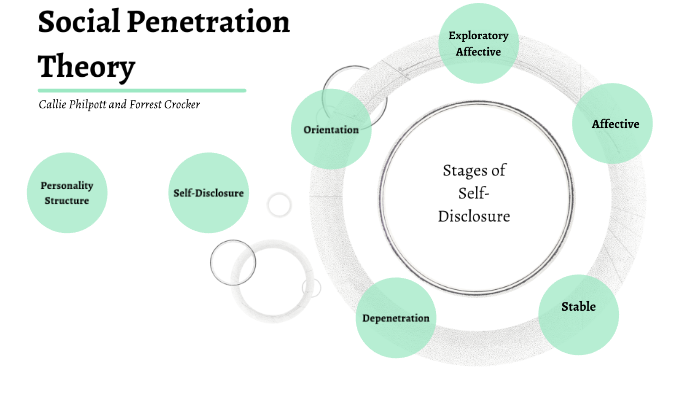
Some examples that could factor in this concept include:
- Financial health (credit scores, saving habits, views on finances)
- Physical health (STDS and other physical ailments)
- Marriage (overall outlook on marriage)
- Children (long-term goals for having children)
- Home Life (Living together or spending time together)
Despite all of this, that is NOT the only thing you have to take into consideration. Sure, disclosing information may have its benefits, but sometimes in the relationship, you will be put in a situation where your own private information could be utilized that could either bring insignificance or dire consequences. When is too much information given out TOO much? Communication privacy management, originally known as communication boundary management, is a systematic research theory designed to develop an evidence-based understanding of the way people make decisions about revealing and concealing private information.

Communication privacy management theory (CPM) is imperative to consider because it provides an understanding of how people manage private information. Since people believe they own their private information, they also believe they have a right to control that information. Due to this, relationships can be altered in both positive and negative ways when it comes to disclosing specific and said information to another said individual, not just in a romantic relationship, but in the general perspective as well when interacting to people we barely know.
In my experiences, I have been involved in romantic relationships to the extent of disclosing personal and private information. To me, there really is no perfect time to disclose certain information about ourselves. From the words we speak to the actions we take, we may not realize if we may or may not expose something near and dear to the spouse we have a heart for, like keeping a lifelong secret obsession hidden or a pet peeve you may possess.
To summarize, both the SPT and CPM theories of study are two influential factors when it comes to not only how the relationship matures overtime, but also how to carefully disclose information in such a simple, yet confidential way.
Let’s see if the next couple who reads this takes notice. 😉
 Communication Theory